This podcast episode is worth 0.28 CPD hours. Upgrade to Pro
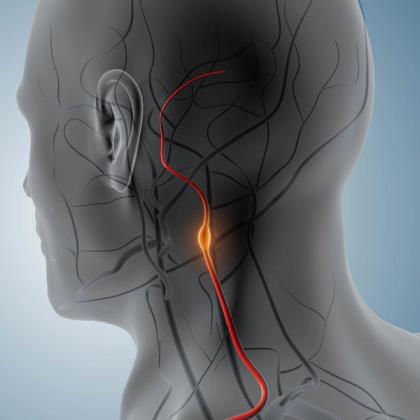
In this episode, Dr Roger Henderson explores carotid artery stenosis and its role in ischaemic stroke. Carotid disease is common, but managing it effectively is far from straightforward. The key clinical questions are not simply how narrow the artery is, but whether the stenosis is responsible for the patient's neurological symptoms, what mechanism is causing cerebral ischaemia, and whether revascularisation offers greater benefit than modern medical therapy. The episode explores the differences between symptomatic and asymptomatic carotid stenosis, the evidence supporting carotid endarterectomy, the importance of timing after transient ischaemic attack (TIA) or stroke, and the evolving role of carotid stenting. It also considers plaque vulnerability, contemporary medical therapy and how these factors influence decisions about intervention in everyday clinical practice.
Key take-home points
- Carotid stenosis is not simply an anatomical diagnosis. The clinical significance depends on whether the lesion is responsible for cerebral ischaemia and whether the mechanism is embolic, haemodynamic or a combination of both.
- Symptomatic and asymptomatic carotid stenosis must be managed differently. A recent ipsilateral TIA or stroke substantially increases the potential benefit of carotid revascularisation.
- Embolisation from an unstable carotid plaque is the classic mechanism of carotid-related stroke. Plaque rupture, ulceration and superimposed thrombus can release material into the cerebral or retinal circulation.
- Haemodynamic insufficiency can produce less typical presentations. Symptoms such as limb-shaking episodes, posture-related neurological symptoms or recurrent visual disturbance should raise suspicion of impaired cerebral perfusion.
- Finding carotid stenosis does not prove that it caused the stroke. Brain imaging, vascular territory, cardiac investigations and the overall clinical presentation need to be considered together.
- The degree of symptomatic stenosis remains a major determinant of benefit from carotid endarterectomy. The clearest benefit is seen with severe stenosis, while the benefit in moderate disease is smaller and requires more careful patient selection.
- Patients with less than 50% symptomatic carotid stenosis generally do not benefit sufficiently from endarterectomy to justify the procedural risk.
- Timing matters greatly after a symptomatic event. For appropriate patients, carotid endarterectomy is generally most beneficial when performed promptly, usually within 14 days of the TIA or stroke.
- Crescendo TIAs should be treated as a warning sign of high early stroke risk. Recurrent symptoms may justify urgent assessment and, where appropriate, expedited carotid revascularisation.
- Asymptomatic carotid stenosis is a much more nuanced indication for intervention. Modern medical therapy has substantially reduced the background risk of stroke compared with the era of the earlier surgical trials.
- Best medical therapy is the foundation of treatment for every patient with carotid atherosclerosis. This includes intensive lipid lowering, appropriate antiplatelet therapy, blood pressure and diabetes control, smoking cessation, exercise, weight management and dietary optimisation.
- The percentage stenosis is not the whole story in asymptomatic disease. Plaque ulceration, intra-plaque haemorrhage, echolucency, micro-embolic signals, silent infarction, progression of stenosis and impaired cerebrovascular reserve may identify patients at higher risk.
- Carotid endarterectomy and carotid artery stenting have different risk profiles. Stenting generally carries more peri-procedural stroke risk, whereas endarterectomy has a greater association with perioperative myocardial infarction.
- Chronic complete internal carotid occlusion is generally managed medically rather than with conventional endarterectomy. Selected patients with haemodynamic or embolic complications may require specialist consideration of interventions on the contralateral carotid or external carotid circulation.
Key references
- Arasu R, et al. Aust J Gen Pract. 2021;50(11):821-825. doi: 10.31128/AJGP-10-20-5664.
- Lalla R, et al. F1000Res. 2020;9:940. doi: 10.12688/f1000research.25922.1.
- Baek JH. Neurointervention. 2023;18(1):9-22. doi: 10.5469/neuroint.2023.00031.
- Rerkasem A, et al. Cochrane Database Syst Rev. 2020;9(9):CD001081. doi: 10.1002/14651858.CD001081.pub4.
- National Clinical Guideline for Stroke. 2023. https://www.stroke.org.uk/professionals/resources-professionals/national-clinical-guideline-stroke.
- NICE. 2022. https://www.nice.org.uk/guidance/ng128.
Create an account to add page annotations
Annotations allow you to add information to this page that would be handy to have on hand during a consultation. E.g. a website or number. This information will always show when you visit this page.