This podcast episode is worth 0.26 CPD hours. Upgrade to Pro
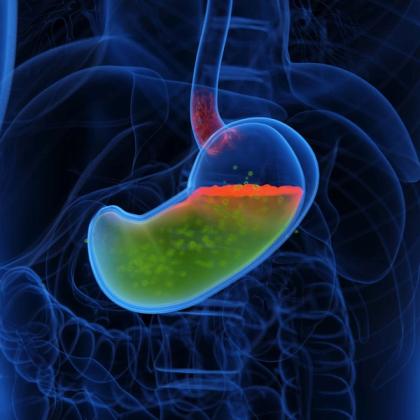
Barrett’s oesophagus sits at the crossroads of gastroesophageal reflux disease and oesophageal cancer, making it a condition every clinician should understand. Although most patients with Barrett’s will never develop malignancy, it remains the only identifiable precursor to oesophageal adenocarcinoma, a cancer with rising incidence and high mortality. In this episode, Dr Roger Henderson looks at how chronic reflux reshapes the oesophageal lining, who is at greatest risk and how modern surveillance and endoscopic therapies have transformed management. He also discusses evolving guidelines, emerging technologies and practical implications for everyday clinical practice.
Key take-home points
- Barrett’s oesophagus represents an adaptive response of the distal oesophagus to chronic acid and bile exposure. Persistent inflammation drives replacement of squamous epithelium with intestinal-type columnar mucosa.
- It is diagnosed when columnar mucosa extends at least 1 cm above the gastroesophageal junction with intestinal metaplasia on biopsy. Endoscopic appearance alone is insufficient without histologic confirmation in most guidelines.
- Most cases occur in patients with long-standing gastroesophageal reflux disease, though many affected individuals may be asymptomatic. This contributes to underdiagnosis in at-risk populations.
- Male sex, older age, central obesity, smoking and family history significantly increase risk. Patients with chronic reflux and multiple risk factors should be considered for screening endoscopy.
- Barrett’s oesophagus is the only known endoscopically visible precursor to oesophageal adenocarcinoma. Its identification enables surveillance and intervention before malignant transformation.
- The majority of patients with Barrett’s will never progress to cancer. Annual progression rates are lowest in non-dysplastic disease.
- Cancer risk rises sharply with increasing grades of dysplasia. High-grade dysplasia carries the greatest short-term risk of progression to adenocarcinoma.
- Endoscopy with systematic biopsies remains the diagnostic gold standard. Adherence to established biopsy protocols improves dysplasia detection.
- High-definition endoscopy and chromo-endoscopy improve the detection of subtle dysplasia. These techniques help target biopsies to the most abnormal-appearing mucosa.
- Pathologic interpretation of dysplasia should be confirmed by expert gastrointestinal pathologists. Inter-observer variability is highest in low- and high-grade dysplasia.
- Proton pump inhibitors are recommended for all patients due to their chemo-preventive benefit. Acid suppression reduces inflammation and may lower neoplastic progression risk.
- Surveillance intervals are determined by Barrett segment length and histologic grade. Longer segments and dysplasia warrant more frequent monitoring.
- Endoscopic eradication therapy is preferred for low-grade dysplasia, high-grade dysplasia and early cancer. These therapies offer high efficacy with lower morbidity than surgery.
- Oesophagectomy is now reserved for select cases with unfavourable pathologic features. Endoscopic therapy has largely replaced surgery as first-line treatment for early disease.
- Emerging biomarkers and artificial intelligence tools may further personalise risk assessment and management. These technologies aim to identify patients most likely to benefit from early intervention.
Key references
- Fitzgerald RC, et al. Gut. 2014;63(1):7-42. doi: 10.1136/gutjnl-2013-305372.
- Shaheen NJ, et al. Am J Gastroenterol. 2022;117(4):559-587. doi: 10.14309/ajg.0000000000001680.
- Weusten B, et al. Endoscopy. 2017;49(2):191-198. doi: 10.1055/s-0042-122140.
- Sharma P, et al. Gastroenterology. 2006;131(5):1392-1399. doi: 10.1053/j.gastro.2006.08.032.
Create an account to add page annotations
Annotations allow you to add information to this page that would be handy to have on hand during a consultation. E.g. a website or number. This information will always show when you visit this page.