This podcast episode is worth 0.24 CPD hours. Upgrade to Pro
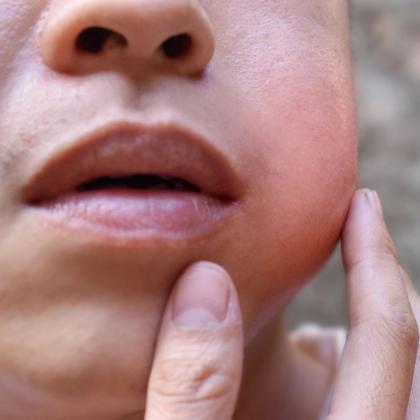
In this episode, Dr Roger Henderson looks at a condition that many clinicians associate with pre-vaccine paediatrics, yet which still occurs: mumps. While its incidence has dramatically declined since the introduction of the measles, mumps and rubella (MMR) vaccine, it has not disappeared. Here, we walk through why mumps still matters clinically, from its systemic viral nature and characteristic parotitis, to less obvious presentations like orchitis and aseptic meningitis. We also explore why vaccinated populations can still be affected, how diagnosis is confirmed in practice and what clinicians need to remember about public health reporting. Although usually self-limiting, mumps remains a notifiable disease with important implications for outbreak control and patient counselling in everyday clinical work.
Key take-home points
- Mumps is an acute viral infection caused by a paramyxovirus.
- It spreads via respiratory droplets and close contact with saliva.
- Mumps is now less common due to the MMR vaccine, but outbreaks still occur. These are often seen in young adults in close-contact settings like universities.
- The incubation period is typically around 16–18 days.
- Patients are infectious before symptoms appear.
- Parotitis is the hallmark clinical feature.
- Orchitis is a key complication in post-pubertal males. It may occur with or without parotitis and can be clinically significant.
- Neurological involvement such as meningitis can occur, but is usually mild and self-limiting.
- Diagnosis is often clinical during outbreaks but requires laboratory confirmation. Early testing may be falsely negative, so repeat testing can be necessary.
- Mumps can be asymptomatic in a significant proportion of cases.
- Mumps should remain in the differential for parotid swelling and viral meningitis. Atypical presentations are not uncommon in vaccinated individuals.
- Lifelong immunity usually follows infection.
- Management is supportive with analgesia, hydration and rest. There is no specific antiviral treatment available.
- Mumps is a notifiable disease and must be reported to public health authorities. This helps monitor outbreaks and vaccine effectiveness.
- Prevention relies on vaccination and infection control measures. Maintaining high vaccine coverage is essential to limit resurgence.
Key references
- UK Health Security Agency. 2026. https://www.gov.uk/government/publications/mumps-the-green-book-chapter.
- Di Pietrantonj C, et al. Cochrane Database Syst Rev. 2021;11(11):CD004407. doi: 10.1002/14651858.CD004407.pub5.
- Balbi AM, et al. JAAPA. 2018 May;31(5):19-22. doi: 10.1097/01.JAA.0000532112.90755.41.
- Su S-B, et al. Int J Environ Res Public Health. 2020;17(5):1686. doi: 10.3390/ijerph17051686.
Create an account to add page annotations
Annotations allow you to add information to this page that would be handy to have on hand during a consultation. E.g. a website or number. This information will always show when you visit this page.