This podcast episode is worth 0.25 CPD hours. Upgrade to Pro
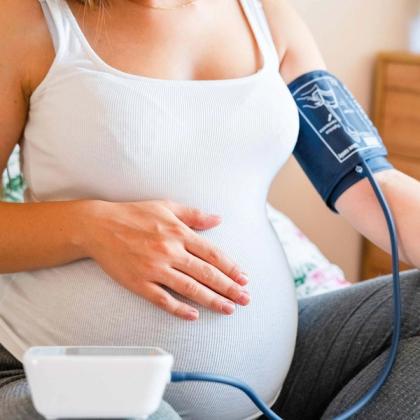
In this episode, Dr Roger Henderson explores hypertensive disorders of pregnancy – one of the most important and potentially life-threatening conditions encountered in obstetric care. Affecting up to one in 10 pregnancies, these disorders range from mild hypertension to severe complications such as preeclampsia, eclampsia and HELLP (haemolysis, elevated liver enzymes and low platelets) syndrome. Despite advances in prenatal monitoring and management, they remain a leading cause of maternal and foetal morbidity worldwide. Here, we look at the underlying mechanisms, risk factors, clinical features and current management strategies, with a focus on practical insights to support clinical decision-making and improve outcomes for both mother and baby.
Key take-home points
- Hypertensive disorders of pregnancy affect around 5–10% of pregnancies and remain a major cause of maternal and foetal morbidity and mortality.
- Preeclampsia is a multisystem disorder characterised by new-onset hypertension with either proteinuria or end-organ dysfunction after 20 weeks of gestation.
- The underlying cause is largely related to abnormal placental development leading to endothelial dysfunction and systemic vascular disease.
- Risk factors include chronic hypertension, diabetes, renal disease, autoimmune conditions, obesity, advanced maternal age and multiple gestation.
- First-time mothers and those with a family history of preeclampsia are also at increased risk.
- Hypertension in pregnancy is defined as a blood pressure of ≥140/90 mmHg, with severe hypertension defined as ≥160/110 mmHg. Severe elevations require urgent treatment to reduce the risk of stroke and other complications.
- Gestational hypertension may initially appear mild but can progress to preeclampsia, so close monitoring is essential.
- Proteinuria is no longer required for the diagnosis of preeclampsia if other signs of organ dysfunction are present.
- Severe features of preeclampsia include neurological symptoms, liver involvement, renal impairment and pulmonary oedema.
- Eclampsia refers to the occurrence of seizures in a patient with preeclampsia and is a medical emergency requiring immediate intervention.
- HELLP syndrome is a severe variant of preeclampsia involving haemolysis, elevated liver enzymes and low platelets. It can present with nonspecific symptoms such as malaise and right upper quadrant pain, making early recognition critical.
- Magnesium sulphate is the treatment of choice for seizure prophylaxis in preeclampsia with severe features and for managing eclampsia.
- First-line antihypertensive medications in pregnancy include labetalol, nifedipine and hydralazine.
- Delivery is the only definitive cure for preeclampsia and related conditions. The timing depends on disease severity and gestational age, balancing maternal and foetal risks.
- Women with hypertensive disorders of pregnancy have an increased long-term risk of cardiovascular disease. Postpartum follow-up and lifestyle modification are essential to reduce future health risks.
Key references
- Magee LA, et al. Pregnancy Hypertens. 2022;27:148-169. doi: 10.1016/j.preghy.2021.09.008.
- NICE. 2023. https://www.nice.org.uk/guidance/ng133.
- ACOG. Obstet Gynecol. 2020;135(6):e237-e260. doi: 10.1097/AOG.0000000000003891.
- Wolf M, et al. Hypertension. 2002;40(6):886-891. doi: 10.1161/01.hyp.0000042085.65467.9f.
- WHO. 2021. https://www.who.int/publications/i/item/9789240037540.
- NICE. 2022. https://www.nice.org.uk/guidance/htg630.
Create an account to add page annotations
Annotations allow you to add information to this page that would be handy to have on hand during a consultation. E.g. a website or number. This information will always show when you visit this page.