Dental fluorosis
- dental fluorosis is a developmental disturbance of enamel which occurs during enamel forming (1)
- caused by systemic overexposure to fluoride during the first six years of life, when the enamel of the crowns of permanent teeth is formed
- enamel contains more protein, is porous, opaque and less transparent
- enamel fluorosis and primary dentin fluorosis can only occur when teeth are forming, and therefore fluoride exposure (as it relates to dental fluorosis) occurs during childhood
- in the permanent dentition, this would begin with the lower incisors, which complete mineralization at approximately 2-3 years of age, and end after mineralization of the third molars
- in the permanent dentition, this would begin with the lower incisors, which complete mineralization at approximately 2-3 years of age, and end after mineralization of the third molars
- clinical manifestation vary from narrow, white horizontally running lines, larger patches or yellow to light brown colored areas of porous enamel, to (qualitative) loss of enamel in varying degrees
- caused by systemic overexposure to fluoride during the first six years of life, when the enamel of the crowns of permanent teeth is formed
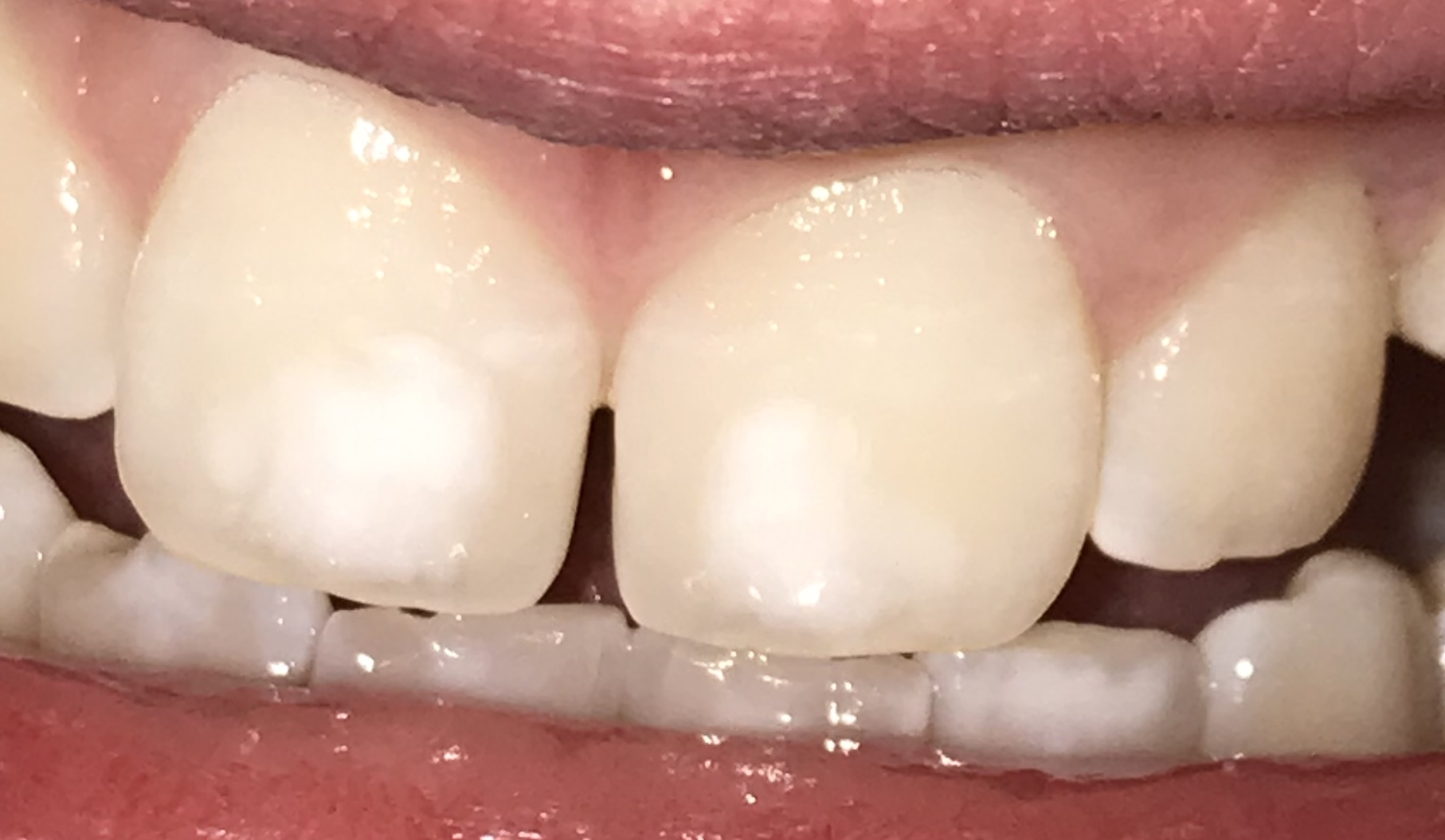
Treatment of dental fluorosis:
- treatments for fluorotic teeth are limited
- mildest forms of fluorosis - bleaching may be recommended
- moderate dental fluorosis include microabrasion, where the outer affected layer of enamel is abraded from the tooth surface in an acidic environment
- severe fluorosis - options include composite restorations combined with microabrasion or application of aesthetic veneers
- in some very severe cases - prosthetic crowns may be necessary
Use of fluoride toothpaste in children:
For the optimal effect of fluoride toothpaste, it is important to follow recommended guidelines for the use of products containing fluorides - Recommended use of fluoride toothpaste for children. Source: European Academy of Paediatric Dentistry (EAPD), 2009.
Age | Fluoride concentration | Daily use | Daily amount |
6 months-2 years | 500 ppm | 2x | pea size |
2-6 years | 1000 ppm | 2x | pea size |
6 years and over | 1450 ppm | 2x | 1-2 cm |
In this way, the probability for fluorosis is decreased and the protective effect of fluoride on the development of caries is significantly important.
Notes:
- in England, around 10% of the population receives public drinking water served by a fluoridation scheme (4)
- water fluoridation schemes aim to achieve a level of 1mg of fluoride per litre of water
- World Health Organization (WHO) guidance recommends a maximum concentration of fluoride in public water supplies of 1.5mg/l, this being protective against any known harmful effect over a lifetime of consumption
- in the most deprived 20% of areas, the chance of 5 year old children having cavities was 25% lower in areas with a fluoridation scheme than in areas without
- 5 year olds in areas with higher fluoride concentrations were less likely to experience dental cavities than in areas with low fluoride concentrations
- up to 56% of hospital admissions for the removal of decayed teeth among children and young people could be prevented in the most deprived areas through water fluoridation scheme
Reference:
- Denbesten P, Li W. Chronic fluoride toxicity: dental fluorosis. Monogr Oral Sci. 2011; 22: 81-96. doi: 10.1159/000327028.
- Wong MCM, Clarkson J, Glenny AM, Lo ECM, Marinho VCC, Tsang BWK, et al. Cochrane reviews on the benefits/ risks of fluoride toothpastes. J Dent Res. 2011; 90(5): 573-9. doi: 10.1177/0022034510393346
- European Academy of Paediatric Dentistry. European Archives of Paediatric Dentistry. Guidelines on the use of fluoride in children: an EAPD policy document; 2009. http://www.eapd.eu/dat/82C0BD03/file.pdf
- Office for Health Improvement and Disparities (within Department of Health and Social Care). Water fluoridation: health monitoring report for England 2022
Related pages
Create an account to add page annotations
Annotations allow you to add information to this page that would be handy to have on hand during a consultation. E.g. a website or number. This information will always show when you visit this page.