This podcast episode is worth 0.27 CPD credits. Upgrade to Pro
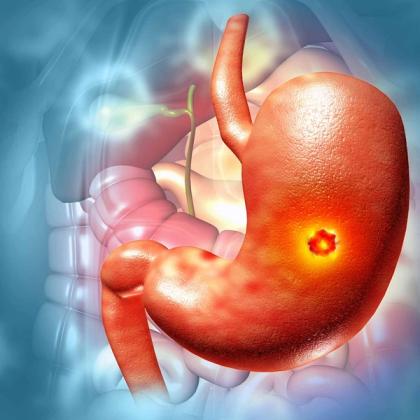
Gastric cancer is often described as a disease in decline, yet it remains one of the deadliest malignancies worldwide. For many GPs, it is a diagnosis that still arrives late, cloaked in vague symptoms and missed opportunities for early intervention. In this episode, Dr Roger Henderson takes a deep, clinically focused look at gastric cancer, from its evolving epidemiology and underlying biology to modern approaches in diagnosis, staging and treatment. He also explores why outcomes differ so dramatically across regions, how molecular insights are reshaping its therapy and what this disease continues to teach us about prevention and early detection.
Key take-home points
- Gastric cancer remains a leading cause of cancer mortality worldwide despite a declining incidence in many high-income countries.
- There is marked geographic variation in disease burden, with the highest incidence in East Asia, where screening endoscopy has enabled earlier detection and improved survival.
- In Western populations, gastric cancer is frequently diagnosed at an advanced stage due to nonspecific early symptoms and the absence of routine screening programmes. This delay in diagnosis significantly contributes to poorer overall outcomes compared with regions that employ population-based screening.
- Most cases are sporadic, although a clinically important minority are associated with hereditary cancer syndromes requiring tailored surveillance and management strategies.
- Chronic Helicobacter pylori infection is the most significant modifiable risk factor and drives carcinogenesis through long-standing mucosal inflammation and atrophic changes.
- Dietary factors such as high salt intake, smoked or preserved foods and low consumption of fruits and vegetables contribute substantially to gastric cancer risk. These exposures promote chronic mucosal injury and increase the formation of carcinogenic compounds within the stomach.
- Smoking and obesity independently increase risk, with obesity particularly associated with proximal gastric and gastroesophageal junction tumours.
- Gastric adenocarcinoma is classically divided into intestinal and diffuse types, which differ in pathogenesis, histology and clinical behaviour.
- Intestinal-type cancers often arise through a stepwise precancerous sequence, whereas diffuse-type cancers lack a well-defined premalignant phase and tend to infiltrate aggressively.
- Molecular classifications have identified biologically distinct subgroups, including HER2-amplified, microsatellite-unstable and Epstein–Barr virus–associated tumours. These molecular features increasingly inform prognosis and guide the use of targeted and immunotherapeutic approaches.
- Endoscopy with biopsy is the diagnostic modality of choice, allowing direct visualisation, histologic confirmation and therapeutic intervention in early disease.
- Endoscopic ultrasound plays a key role in staging by assessing tumour depth and nodal involvement, although accuracy depends on operator expertise.
- Staging laparoscopy frequently reveals occult peritoneal disease not detected on imaging and can significantly alter management decisions.
- Perioperative chemotherapy has become standard for locally advanced resectable gastric cancer, improving survival compared with surgery alone. This approach enhances resectability and addresses micrometastatic disease early in the treatment course.
- Despite advances in surgery, systemic therapy and targeted treatments, the overall prognosis remains poor for patients with advanced or metastatic disease, highlighting the importance of early detection and prevention.
Key references
- Lordick F, et al. Ann Oncol. 2022;33(10):1005-1020. doi: 10.1016/j.annonc.2022.07.004.
- Waldrum H, Fossmark R. Int J Mol Sci. 2021;22(12):6548. doi: 10.3390/ijms22126548.
- NICE. 2026. https://www.nice.org.uk/guidance/NG12/.
- Banks M, et al. Gut. 2019;68(9):1545-1575. doi: 10.1136/gutjnl-2018-318126.
- Menon G, et al. StatPearls [Internet]. 2024. https://www.ncbi.nlm.nih.gov/books/NBK459142/.
Create an account to add page annotations
Annotations allow you to add information to this page that would be handy to have on hand during a consultation. E.g. a website or number. This information will always show when you visit this page.