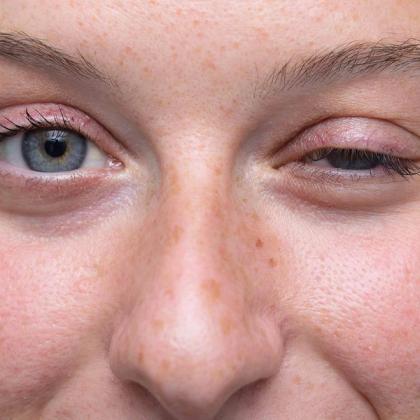
In this episode, Dr Roger Henderson explores the pathophysiology, clinical features and management of myasthenia gravis, an autoimmune disorder affecting the neuromuscular junction. It highlights how antibodies, most commonly against acetylcholine receptors, impair neuromuscular transmission, leading to fatigable weakness that worsens with activity and improves with rest. The discussion emphasises key clinical presentations, including ocular, bulbar and proximal limb weakness, alongside the risk of life-threatening myasthenic crisis. Diagnostic approaches are reviewed, focusing on antibody testing and electrophysiological studies. Management strategies include symptomatic treatment with acetylcholinesterase inhibitors, immunosuppression and thymectomy in selected patients.
Key take-home points
- Myasthenia gravis is an autoimmune disorder affecting the neuromuscular junction. It leads to fatigable muscle weakness due to impaired signal transmission.
- Most patients have antibodies against acetylcholine receptors, which are highly specific for the disease.
- The hallmark clinical feature is weakness that worsens with activity and improves with rest. This pattern is often more informative than the absolute strength deficit.
- Ocular symptoms such as ptosis and diplopia are the most common initial presentation.
- Variability is a key diagnostic clue. Symptoms may fluctuate within the same day or between examinations.
- Bulbar involvement can cause dysphagia and dysarthria, which carry a significant aspiration risk. These symptoms are often under-reported unless specifically asked about.
- Limb weakness is typically proximal, affecting activities like climbing stairs or lifting arms.
- Reflexes and sensation remain normal despite significant motor weakness. This helps distinguish it from many other neurological conditions.
- Around half of patients with ocular symptoms will progress to generalised disease. This usually occurs within the first 2 years.
- Myasthenic crisis is a life-threatening complication involving respiratory muscle weakness. Early recognition and escalation to critical care are essential.
- Antibody testing for acetylcholine receptor and muscle-specific kinase is central to diagnosis, but seronegative cases do occur.
- Electrophysiological tests such as repetitive nerve stimulation and single-fibre electromyography can support the diagnosis. These are particularly useful when antibodies are negative.
- The thymus is often abnormal and plays a role in disease pathogenesis. Thymectomy can improve outcomes even without thymoma.
- First-line treatment is pyridostigmine for symptomatic relief. Immunosuppressive therapy is added for disease control.
- Always consider medication triggers and subtle signs of deterioration. Patients may appear stable while nearing respiratory compromise.
Key references
- Narayanaswami P, et al. Neurology. 2021;96(3):114-122. doi: 10.1212/WNL.0000000000011124.
- Skeie GO, et al. Eur J Neurol. 2010;17(7):893-902. doi: 10.1111/j.1468-1331.2010.03019.x.
- Gronseth GS, et al. Neurology. 2020;94(16):705-709. doi: 10.1212/WNL.0000000000009294.
- Punga AR, et al. Front Immunol. 2020;11:1688. doi: 10.3389/fimmu.2020.01688.
- de Paula Estephan E, et al. Arq Neuropsiquiatr. 2022;80(5 Suppl 1):257-265. doi: 10.1590/0004-282X-ANP-2022-S105.
- Tannemaat MR, et al. Neuromuscul Disord. 2020;30(2):111-119. doi: 10.1016/j.nmd.2019.12.003.
Create an account to add page annotations
Add information to this page that would be handy to have on hand during a consultation, such as a web address or phone number. This information will always be displayed when you visit this page