This podcast episode is worth 0.19 CPD credits. Upgrade to Pro
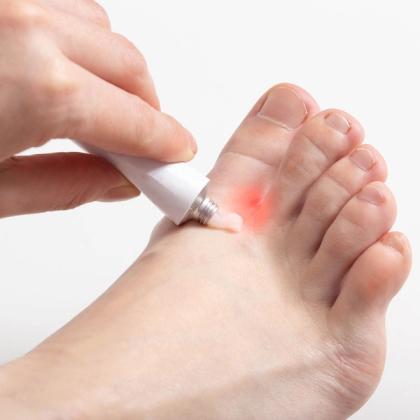
Intertrigo is an inflammatory condition of opposing skin surfaces, driven by friction, heat and moisture that weaken the skin barrier and invite secondary infections, especially Candida and bacteria. It affects all ages, from infants with diaper dermatitis to older adults with limited mobility. It is more common in hot climates and in patients with obesity or diabetes. Clinically, it presents with symmetrical erythema that may progress to maceration, fissures, discharge and secondary infection. The diagnosis is mainly clinical, with cultures or potassium hydroxide testing when needed. Management focuses on reducing moisture and friction, treating infections and using gentle barrier protection. In this episode, Dr Roger Henderson looks at how to identify and manage this condition, which is commonly seen in primary care.
Key take-home points
- Intertrigo develops in areas where skin surfaces contact and rub against each other, creating an environment of friction, trapped heat and retained moisture that gradually disrupts the skin barrier and leads to inflammation.
- Candida species are the most frequent cause of secondary infection as they thrive in warm, humid folds, but clinicians must also consider bacterial and viral pathogens, which can significantly alter the appearance and severity of the rash.
- The risk is greatly increased in people with obesity, diabetes, incontinence, hyperhidrosis or reduced mobility, as these factors amplify moisture retention, surface area of folds and microbial colonisation.
- Flexural skin naturally maintains a higher temperature than other areas and when combined with sweat retention and friction, this contributes to maceration of the stratum corneum and allows normally harmless microorganisms to proliferate.
- Histopathology rarely provides distinguishing features, showing at most mild spongiosis, so intertrigo is overwhelmingly a clinical diagnosis based on pattern recognition and examination of the affected folds.
- Typical clinical signs include symmetrical erythema on both sides of a fold, which may progress to erosions, fissures, weeping, crusting and softening of the skin as inflammation worsens or infection develops.
- Candidal intertrigo classically features satellite lesions, including small papules or pustules scattered just beyond the main area of erythema, which can help differentiate it from other causes.
- Toe web intertrigo can range from mild scaling to severe erosive disease, often becoming macerated, malodorous and painful; in advanced infections, patients may experience difficulty walking or develop profuse discharge.
- A greenish discolouration in the toe web spaces strongly suggests Pseudomonas infection, which should prompt targeted antimicrobial therapy and potentially the use of potassium permanganate soaks.
- Patients with diabetes or obesity are especially vulnerable to cellulitis arising from toe web intertrigo, as the compromised barrier allows bacteria to penetrate and spread rapidly in the subcutaneous tissues.
- Diagnostic tests, including bacterial swabs, fungal cultures and Wood's lamp evaluation, are useful when the presentation is atypical or unresponsive, helping identify the specific pathogen and guide treatment choices.
- Moisture control remains the cornerstone of management, involving gentle cleansing, thorough drying, using absorbent powders, keeping folds ventilated and applying protective barrier creams.
- Topical antifungal agents, including clotrimazole, ketoconazole and nystatin, are effective for candidal involvement, while bacterial infections may require mupirocin topically or systemic antibiotics such as flucloxacillin or erythromycin.
- Low-potency topical steroids can reduce inflammation and discomfort, but they must be used sparingly in flexural areas to avoid skin atrophy, striae or exacerbation of fungal infections.
- Long-term prevention requires attention to underlying contributory factors, such as weight reduction, glucose control, improved hygiene practices and choosing breathable clothing or footwear to reduce friction and moisture accumulation.
Key references
- Voegeli D. Br J Nurs. 2020;29(12):S16-S22. doi: 10.12968/bjon.2020.29.12.S16.
- Wolf R, et al. Clin Dermatol. 2011;29(2):173-179. doi: 10.1016/j.clindermatol.2010.09.009.
- Kalra MG, et al. Am Fam Physician. 2014;89(7):569-573.
- Metin A, et al. Clin Cosmet Investig Dermatol. 2018:11:175-185. doi: 10.2147/CCID.S127841.
- Romanelli M, et al. J Wound Care. 2023;32(7):411-420. doi: 10.12968/jowc.2023.32.7.411.
Create an account to add page annotations
Annotations allow you to add information to this page that would be handy to have on hand during a consultation. E.g. a website or number. This information will always show when you visit this page.