This podcast episode is worth 0.31 CPD credits. Upgrade to Pro
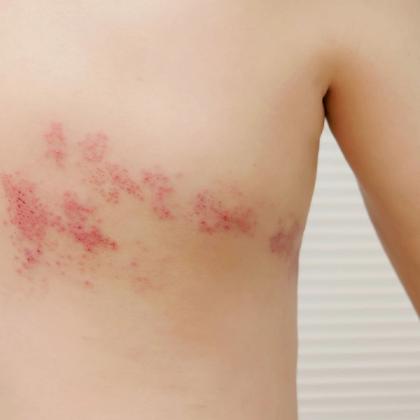
In this episode, Dr Roger Henderson considers shingles: a condition that every GP recognises, but not always in its earliest or most subtle form. Also known as herpes zoster, it is far more than just a painful rash. Instead, it is the reactivation of a neurotropic virus that may have been lying dormant for decades within the nervous system. Here, we explore how and why that reactivation occurs and what clinical clues can help you identify the condition even before the rash appears. We walk through the typical and atypical presentations, highlight key complications and discuss why early treatment can make a meaningful difference to patient outcomes. We also consider high-risk groups, including older adults and immunocompromised patients, where the disease burden is greatest.
Key take-home points
- Herpes zoster (shingles) is caused by reactivation of latent varicella-zoster virus that remains dormant in sensory ganglia after primary chickenpox infection.
- Reactivation is primarily driven by reduced cell-mediated immunity, most commonly due to ageing or immunosuppression.
- The condition is fundamentally neurocutaneous, reflecting viral spread along sensory nerves from ganglia to the skin.
- A key early feature is a prodrome of localised burning or neuropathic pain that often precedes any visible rash by 1–3 days.
- This pre-eruptive pain phase is frequently misdiagnosed as musculoskeletal, cardiac or visceral pathology depending on the dermatome involved.
- The hallmark rash is unilateral, vesicular and dermatomal, typically not crossing the midline.
- Skin lesions evolve from erythematous macules to grouped vesicles, then crust over within 2–4 weeks in most immunocompetent patients.
- Thoracic dermatomes are most commonly affected, followed by trigeminal and cervical distributions.
- Pain is often severe and neuropathic in nature and may be disproportionate to visible skin findings.
- Post-herpetic neuralgia is the most common complication and refers to persistent neuropathic pain lasting beyond the acute rash phase.
- Risk of post-herpetic neuralgia increases with age, severity of acute pain and involvement of cranial dermatomes.
- Ophthalmic division involvement can lead to serious ocular complications, including keratitis and potential vision loss, requiring urgent assessment.
- Ramsay Hunt syndrome results from involvement of the facial nerve ganglion and presents with facial palsy, ear pain and vesicular eruptions around the ear.
- Diagnosis is primarily clinical, but polymerase chain reaction testing of lesion fluid is the most sensitive confirmatory test when needed.
- Early antiviral therapy within 72 hours of rash onset reduces viral replication, shortens disease duration and may reduce complication risk.
Key references
- Dworkin RH, et al. Clin Infect Dis. 2007;44 Suppl 1:S1-26. doi: 10.1086/510206.
- UK Health Security Agency. 2025. https://www.gov.uk/government/publications/shingles-herpes-zoster-the-green-book-chapter-28a.
- Cohen JI. N Engl J Med. 2013;369:255-263. doi: 10.1056/NEJMcp1302674.
- Chen N, et al. Cochrane Database Syst Rev. 2014;2014(2):CD006866. DOI: 10.1002/14651858.CD006866.pub3.
Create an account to add page annotations
Annotations allow you to add information to this page that would be handy to have on hand during a consultation. E.g. a website or number. This information will always show when you visit this page.