Eczema (allergic contact)
Allergic contact dermatitis accounts for 20% of cases of all contact dermatitis (1)
- this requires prior sensitization of the skin to a specific allergen. T lymphocytes become specially sensitised to the allergen and upon fresh contact with it, mediate a dermatitis reaction typically within 48hours
- it is an example of a type IV hypersensitivity reaction (2)
- affects 1-2% of the population
It occurs twice as frequently in women as in men, and often starts at a young age (3).
The number of children with allergic contact dermatitis is increasing. It has been suggested that children with eczematous eruptions should be patch-tested, especially children with hand and eyelid eczema (4).
Prognosis for allergic contact dermatitis is usually worse compared to irritant contact dermatitis unless the allergen is identified and avoided (2).
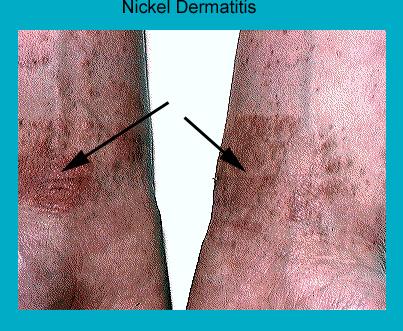
A common cause of this type of dermatitis is nickel.
References:
- Alinaghi F, Bennike NH, Egeberg A, et al. Prevalence of contact allergy in the general population: a systematic review and meta-analysis. Contact Dermatitis. 2019 Feb;80(2):77-85.
- Rashid RS, Shim TN. Contact dermatitis. BMJ. 2016;353:i3299.
- Peiser M et al. Allergic contact dermatitis: epidemiology, molecular mechanisms, in vitro methods and regulatory aspects. Current knowledge assembled at an international workshop at BfR, Germany. Cell Mol Life Sci. 2012;69(5):763-81.
- Bourke J et al. Guidelines for the management of contact dermatitis: an update. BJD 2009; 160:946-954
Related pages
Create an account to add page annotations
Add information to this page that would be handy to have on hand during a consultation, such as a web address or phone number. This information will always be displayed when you visit this page