Gastric bypass bariatric surgery
Description of procedure:
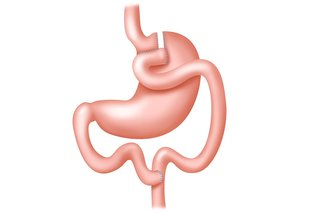
- a gastric pouch is created at the top of the stomach, either by stapling or vertically banding most of the stomach or by removing portions of the stomach
- the gastric pouch is then connected to the small intestine, thereby bypassing the duodenum and some or all of the jejunum
- very effective at weight loss and may be the best option in diabetes and acid reflux (1)
- disadvantages include:
- risks of surgery are higher than for simpler operations, it is essentially irreversible and you will need to take daily vitamin supplements for life after surgery (1)
- obstruction can occur at the sites of formation of modified GI tract
- patients may develop gallstones due to rapid weight loss (2)
- flatulence and loose stools may be experienced especially if dietary changes have not been made to low fat, low sugar choices
- dumping syndrome may occur if a patient eats too much sugar, fat or alcohol, or large amounts of food
- not considered a health risk, but can be very unpleasant with symptoms including nausea, vomiting, diarrhoea, sweating, faintness, weakness and tachycardia
Impact on nutrition:
- impacts on the absorption of iron, vitamin B12, calcium and vitamin D
- long limb bypasses may affect absorption of protein, fat, vitamin A and trace elements in addition
Reference:
- North Bristol NHS Trust. Bariatric Surgery (Accessed January 8th 2019).
- Chelsea and Westminister NHS Hospitals Trust. Weight Loss - Surgical Options (Accessed January 8th 2019)
- BOMSS Guidelines on perioperative and postoperative biochemical monitoring and micronutrient replacement for patients undergoing bariatric surgery September 2014
Related pages
Create an account to add page annotations
Add information to this page that would be handy to have on hand during a consultation, such as a web address or phone number. This information will always be displayed when you visit this page